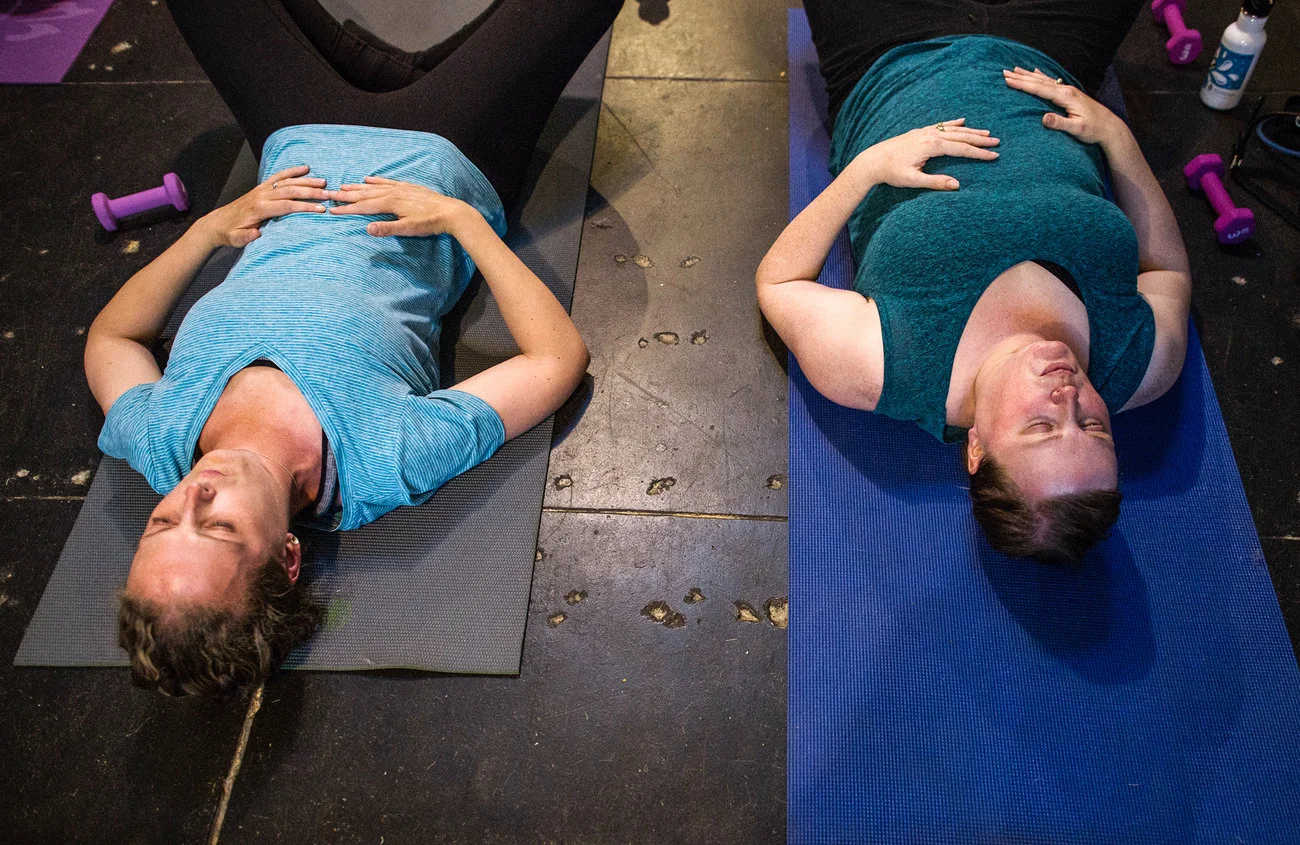


The physical benefits of yoga are a wonderful way to compliment whatever sport or physical activity you love. Yoga stretches, strengthens, and invigorates the entire body and internal organs. It increases core strength, flexibility, range of motion, and improves balance. Practicing yoga as a form of cross-training will increase your performance and reduce the risk of injury. The postures and breath control in yoga are complimentary to athletes in increasing the longevity in their game. Yoga combines strength and flexibility, creating balance within the body.
The pain many athletes experience (bad backs, knees, tight hamstrings, sore feet) is not from the sport itself, it's from the imbalances that running or a repetitive movement cause. If you're off balance, your muscles are forced to work harder in compensation in each step you take, thus enforcing strong muscles to become stronger, and weak muscles to become weaker. This compensation puts strain on the muscles, joints, and the entire skeletal system. Athletes can use a consistent yoga practice to bring balance into all muscle groups, which will support and stabilize the skeletal system. This will allow the runner/athlete to be able to handle the force of impact and to avoid injury.
Mental Benefits of Yoga
-
Stress Relief
-
Prevention and Relief of Stress-Related Disorders
-
Increase in Memory
-
Greater Control of Emotions
-
Greater Ability to Focus and Concentrate
Physical Benefits of Yoga
-
Improved Flexibility and Balance
-
Improved Cardiovascular Endurance & Efficiency
-
Improved Core Strength
-
Increased Energy Levels
-
Increased Lung Capacity
-
Increased Blood Flow
-
Reduced Heart Rate
-
Enhanced Overall Muscle Strength

-
Enhanced Immune System
-
Improved Digestion
-
Relaxation of Muscles
-
Weight Control

- Maura Hintlian RYT










 Please join us for our next workshop on Saturday December 10th. AcroYoga
 The hip flexors are an oft-neglected muscle group that can contribute to lower back or hip pain and stiffness. They often get tight from sitting (think office, car, evening tv or reading), or from repetitive motions bringing the knee in front of the hip including running, biking or walking! So basically, if you are a human, listen up! Your hip flexors may be yearning for attention! :)